
Table of Contents
There’s something uniquely comforting about transforming humble ingredients into something deeply nourishing and delicious, wouldn’t you agree? I remember the first time I made beef tallow in my cozy kitchen. The air was thick with the rich, savory scent of melted fat, and I could hear the gentle crackling as the beef suet rendered down into golden liquid gold. There was a magic in that moment—a swirl of nostalgia and excitement—as I envisioned all the delectable meals I could create with this glorious fat.
As the tallow filled my jars, I felt a sense of connection to many generations of cooks before me, and the knowledge that I was harnessing a wholesome ingredient that elevates both flavor and nutrition in everyday cooking. It became a staple in my kitchen, and I can’t wait for you to dive into the warm, enchanting world of homemade beef tallow. Trust me, your taste buds will thank you!
Why You’ll Love This Recipe
- Easy to Make: With just a few simple steps, you’ll have a pantry staple that will impress everyone.
- Affordable & Wholesome: Using beef fat means you’re utilizing every part of the animal, reducing waste and maximizing nutrition.
- Rich Flavor: Elevate your cooking with the deep, savory notes of beef tallow, perfect for sautéing, frying, or roasting.
- Versatile: Use it in baking, for frying, or as a substitute for butter or oil in your favorite recipes.
- Long-Lasting: The shelf life of beef tallow is impressive, making it a convenient option for busy cooks!
Ingredients
2 ½ lbs beef fat (suet)
Seek out high-quality grass-fed beef suet for the best flavor and health benefits.1 Sharp Knife
A good kitchen knife makes cutting through the fat easy and safe—dull knives lead to slips!1 Cutting Board
Use a sturdy board to handle the weight of the beef fat. A clean, dedicated surface keeps things mess-free.6-quart Dutch oven
Perfect for slow-rendering the fat, bringing out all the rich flavors without burning.1 Fine mesh strainer
This helps you achieve that wonderfully clear, pure tallow by catching all those crispy bits!3 8-ounce mason jars
Ideal for storing your tallow securely. They look beautiful on any shelf too!
Full recipe card is below.
How to Make It
Step 1: Prepare the Suet
If your beef suet is frozen, simply place it in the fridge overnight to defrost. Once thawed, take your sharp knife and chop the suet into 1 to 2-inch pieces. This will help it melt evenly, making the rendering process smooth and easy.
Step 2: Render the Fat
Place the chopped fat trimmings into your 6-quart Dutch oven. Cover with a lid and place it over low heat. The key here is patience! Allow it to gently cook for about 1 to 3 hours, stirring occasionally, unless you want to enjoy the soothing sounds of your simmering fat. The kitchen will soon fill with a mouthwatering aroma, almost like a warm hug.
Step 3: Strain the Tallow
Once the pieces shrink and turn crispy, use a slotted spoon to carefully remove them. Discard the crispy bits—while they may be tempting, they’ve done their job beautifully! Now, take your fine mesh strainer and pour the melted tallow into a measuring cup, ensuring it’s free of any solids.
Step 4: Jar It Up
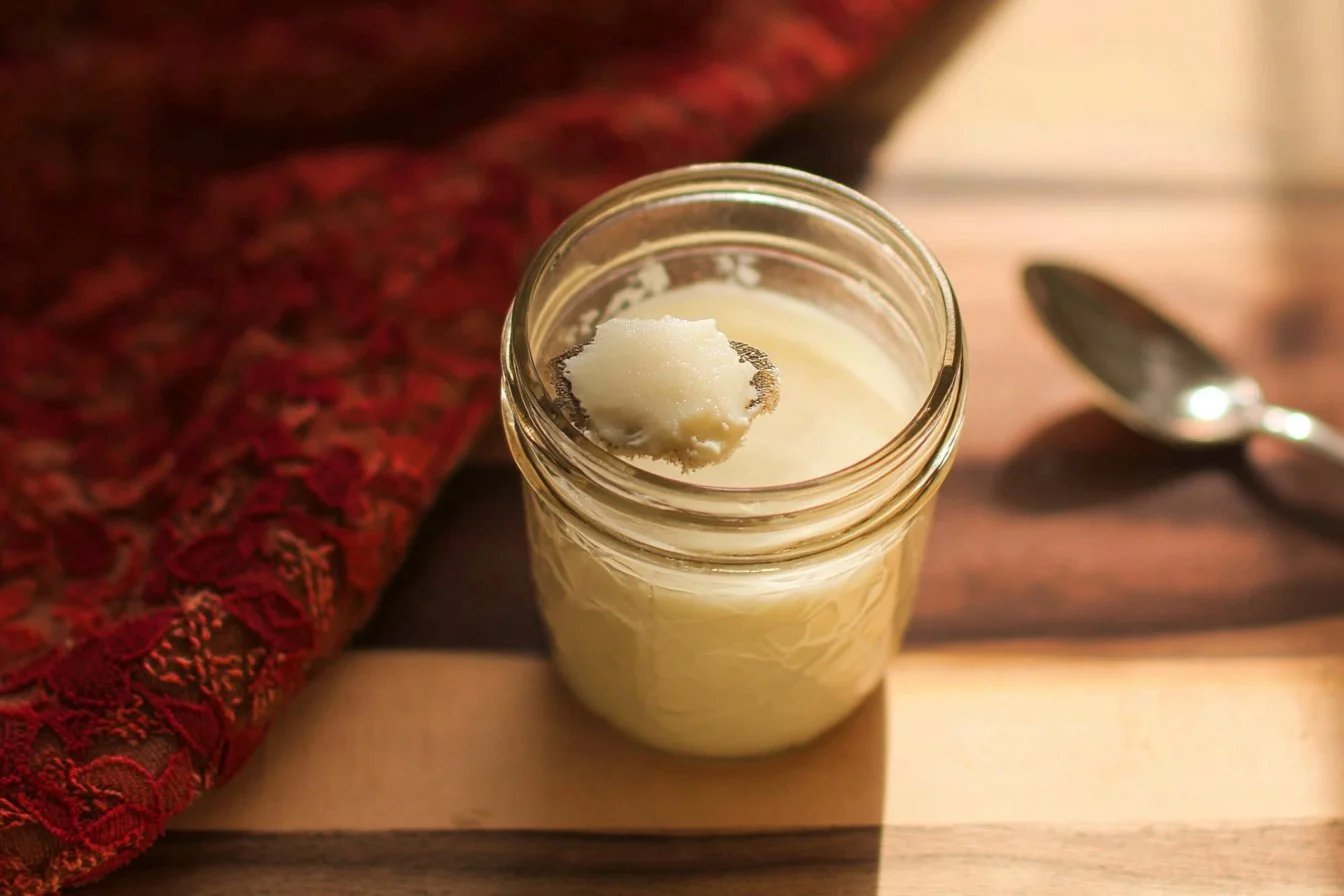
Pour your liquid gold into those mason jars, but wait! Allow them to cool completely before placing the lids on top. Once cooled, hand-tighten the lids and store them at room temperature, in your pantry, or in the fridge or freezer—whatever works best for you!
Pro Tips for Success
- Low and Slow: The lower the heat, the better the flavors will develop without burning.
- Stay Attentive: If you see any signs of browning, reduce the heat to prevent a bitter taste.
- Experiment: Try using different cuts of beef fat for unique flavors.
- Check for Clarity: Your tallow is ready when it’s a clear golden color and there are no cloudy bits remaining.
Flavor Variations
Feeling adventurous? You can toss in a few cloves of garlic, fresh herbs, or even some spices like rosemary and thyme during the rendering process. This will infuse your tallow with delightful new flavors to create your unique blend!
Serving Suggestions
Drizzle your beef tallow over roasted vegetables for a mouthwatering finish, or use it for frying potatoes until they’re perfectly crispy. Pair your dish with a light, refreshing drink, like sparkling water with a squeeze of lemon, to balance the rich flavors.
Make-Ahead & Storage
Once cooled and jarred, your beef tallow can last for several months in the pantry, or longer if stored in the fridge or freezer. Be sure to keep it in a cool, dry place away from direct sunlight.
Leftovers
Next time you have leftover vegetables or grains, sauté them in beef tallow for a delicious twist! Try it in mashed potatoes for a creamy, savory upgrade.
Freezing
Absolutely! You can freeze beef tallow. Just spoon it into airtight containers or freezer bags, making sure to label them. Thaw in the fridge overnight before using.
Reheating
The best way to reheat tallow is on the stove over low heat until it’s just melted. Avoid microwaving to maintain its flavor and quality!
FAQs
What is beef tallow?
Beef tallow is rendered fat from cattle, known for its high smoke point and rich flavor, making it a great cooking fat.
Is beef tallow healthy?
In moderation, it can be a healthy source of energy and fat, fully packed with vitamin A, D, E, and K when sourced from grass-fed cows.
Can I use tallow for baking?
Absolutely! It can replace butter or oil in your favorite recipes, giving a unique depth to baked goods.
How do I know if my tallow has gone bad?
If it has an off smell, discoloration, or a strange texture, it’s best to toss it out.
Final Thoughts
I hope you find as much joy in making beef tallow as I do. Each spoonful is rich with flavor and history, bridging the gap between our kitchens and nature. So get started, embrace the cozy vibes, and let that warm beauty fill your home. Happy cooking, my dear friends! ✨
Enjoy the full recipe card below, and don’t forget to share your tallow-making experience with me. Can’t wait to hear about your adventures in the kitchen!
Print
Homemade Beef Tallow
- Total Time: 195 minutes
- Yield: 3 – 8-ounce jars
- Diet: Paleo
Description
Learn to make rich and flavorful beef tallow at home with just a few simple steps. Perfect for cooking and baking!
Ingredients
- 2 ½ lbs beef fat (suet)
- 1 Sharp Knife
- 1 Cutting Board
- 1 6-quart Dutch oven
- 1 Fine mesh strainer
- 3 8-ounce mason jars
Instructions
- Prepare the Suet: If frozen, defrost in the fridge overnight and chop into 1 to 2-inch pieces.
- Render the Fat: Place chopped fat in the Dutch oven, cover, and cook on low heat for 1 to 3 hours.
- Strain the Tallow: Remove crispy bits with a slotted spoon, and pour melted tallow through a fine mesh strainer into a measuring cup.
- Jar It Up: Pour cooled tallow into mason jars and store at room temperature or in the fridge/freezer.
Notes
For flavor variations, consider adding garlic, herbs, or spices during rendering.
- Prep Time: 15 minutes
- Cook Time: 180 minutes
- Category: Condiment
- Method: Rendering
- Cuisine: American